
Introduction
Choosing the right fabric is one of the most critical decisions in custom sportswear manufacturing. The performance, durability, comfort, and overall quality of sportswear depend heavily on fabric selection. For brands, teams, and private labels, understanding sportswear fabrics helps ensure better customer satisfaction and long-term brand success.
In this guide, we break down the best fabrics used in custom sportswear manufacturing, their benefits, ideal use cases, and how OEM manufacturers like ZUNS Industries help buyers select the right materials.
What Are the Best Fabrics for Custom Sportswear?
The best fabrics for custom sportswear manufacturing are:
– Polyester
– Spandex (Elastane)
– Nylon
– Cotton blends
– Mesh fabrics
– Fleece (for training & outerwear)
These fabrics offer moisture management, stretch, durability, and comfort—essential for athletic performance.
Why Fabric Choice Matters in Sportswear Manufacturing
Fabric selection impacts:
✔ Athlete comfort & performance
✔ Breathability & moisture control
✔ Stretch & mobility
✔ Durability under stress
✔ Print & embroidery quality
✔ Cost and MOQ efficiency
For OEM and private label buyers, choosing the wrong fabric can result in returns, poor reviews, and brand damage.
1- Polyester – The Most Popular Sportswear Fabric
Why Polyester Is Widely Used
Polyester is the most commonly used fabric in custom sportswear manufacturing due to its versatility and durability.
Key Benefits
. Excellent moisture-wicking
. Lightweight and breathable
. Highly durable
. Resistant to shrinking and wrinkles
. Ideal for sublimation printing
Best Used For
. Team jerseys
. Football & basketball uniforms
. Training wear
. Running apparel
. Activewear sets
📌 OEM Tip: Polyester works best for full-color custom designs and logos.
2- Spandex (Elastane) – For Stretch & Performance
Spandex is rarely used alone but is blended with polyester or nylon to provide stretch and flexibility.
Key Benefits
. High elasticity
. Body-hugging fit
. Enhances movement and comfort
. Maintains shape after washing
Best Used For
. Compression wear
. Gym & fitness apparel
. Fightwear (MMA, boxing, wrestling)
. Leggings & base layers
📌 Industry Standard: Most performance wear contains 5–20% spandex.
3- Nylon – Premium Feel & Strength
Nylon is known for its smooth texture and superior strength, often used in premium sportswear collections.
Key Benefits
. Softer than polyester
. Extremely durable
. High abrasion resistance
. Quick-drying
Best Used For
. High-performance training wear
. Premium activewear
. Sports bras
. Outer layers
📌 OEM Insight: Nylon blends are popular for luxury sportswear brands.
4- Cotton & Cotton Blends – Comfort Over Performance
Cotton offers comfort but lacks moisture-wicking, so it’s usually blended with polyester.
Key Benefits
. Soft and breathable
. Skin-friendly
. Natural feel
. Limitations
. Absorbs sweat
. Slower drying time
Best Used For
. Casual sportswear
. Training t-shirts
. Lifestyle & streetwear collections
📌 Best Blend: 60% cotton / 40% polyester for balance.
5- Mesh Fabric – Maximum Breathability
Mesh fabrics are designed to improve airflow and ventilation.
Key Benefits
. Highly breathable
. Lightweight
. Improves temperature regulation
Best Used For
. Football & basketball jerseys
. Training tops
. Panels in high-sweat areas
📌 Design Tip: Mesh panels are often added to underarms and backs.
6- Fleece – Training & Cold-Weather Sportswear
Fleece is used for warmth and comfort in training or casual athletic wear.
Key Benefits
. Thermal insulation
. Soft inner lining
. Durable and warm
Best Used For
. Hoodies
. Sweatshirts
. Tracksuits
. Warm-up gear
📌 OEM Choice: Cotton fleece or polyester fleece depending on climate.
Fabric Comparison Table (Quick View)
| Fabric | Breathability | Stretch | Durability | Best For |
|---|---|---|---|---|
| Polyester | High | Medium | High | Jerseys, Uniforms |
| Spandex | Medium | Very High | Medium | Compression Wear |
| Nylon | High | Medium | Very High | Premium Wear |
| Cotton Blend | Medium | Low | Medium | Casual Sportswear |
| Mesh | Very High | Low | Medium | Ventilation Panels |
| Fleece | Low | Medium | High | Hoodies, Tracksuits |
How to Choose the Right Fabric for Your Sportswear Brand
Ask these questions before finalizing fabric:
- Is the apparel for competition or training?
- Does it require stretch or compression?
- Will it be used in hot or cold climates?
- What printing method will be used?
- What is the target market (budget vs premium)?
A professional OEM manufacturer helps guide these decisions.
Printing Compatibility by Fabric
| Fabrics | Best Printing Methods |
|---|---|
| Polyester | Sublimation |
| Cotton | Screen Printing |
| Blend | Heat Transfer |
| Nylon | Silicone / Special inks |
📌 Choosing the wrong print method can damage fabric quality.
Sustainability & Eco-Friendly Fabric Options
Modern buyers increasingly demand sustainable sportswear.
Popular eco options include:
. Recycled polyester (rPET)
. Organic cotton blends
. Low-impact dyed fabrics
ZUNS Industries offers eco-conscious fabric options for private label brands.
Why Work with an OEM Manufacturer Like ZUNS Industries?
A professional sportswear manufacturer helps you:
✔ Select the best fabric for your product
✔ Match fabric with printing techniques
✔ Control quality & consistency
✔ Optimize MOQ and costs
✔ Scale production efficiently
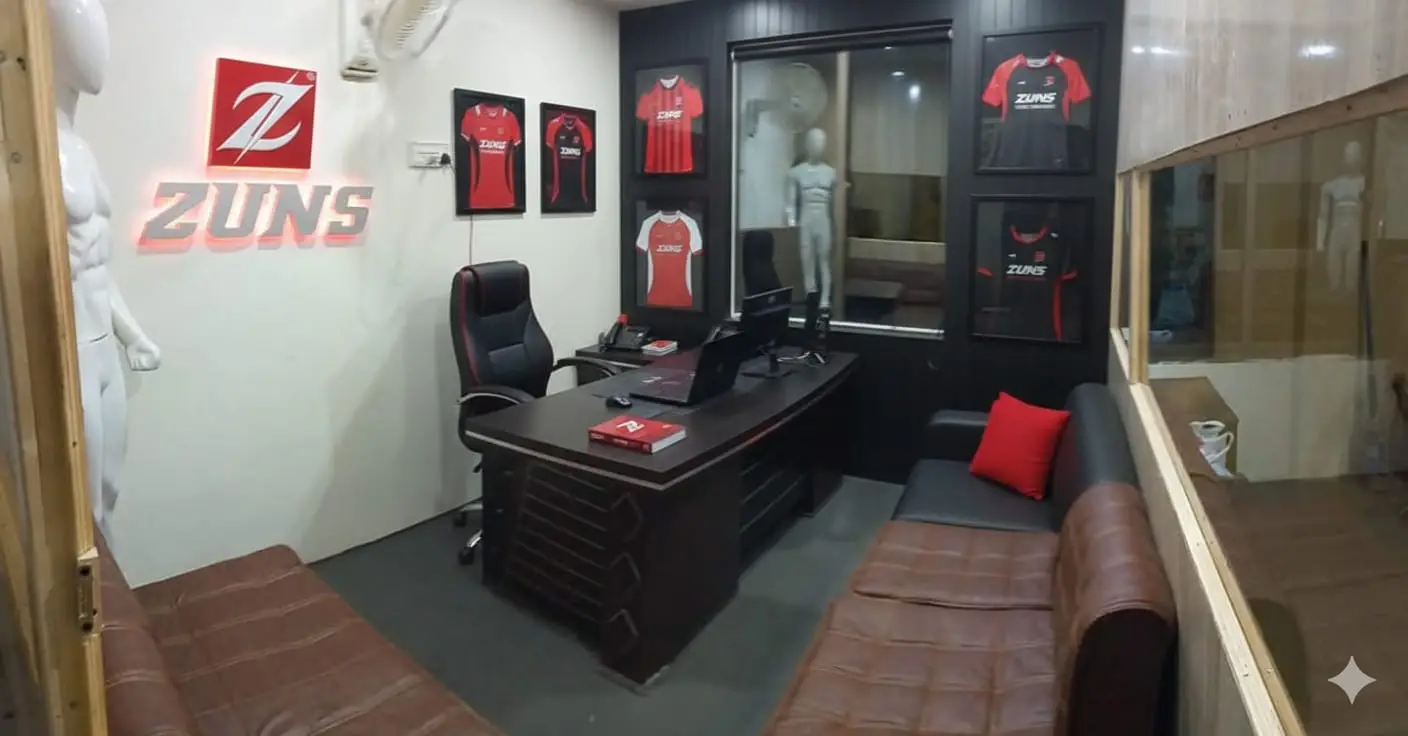
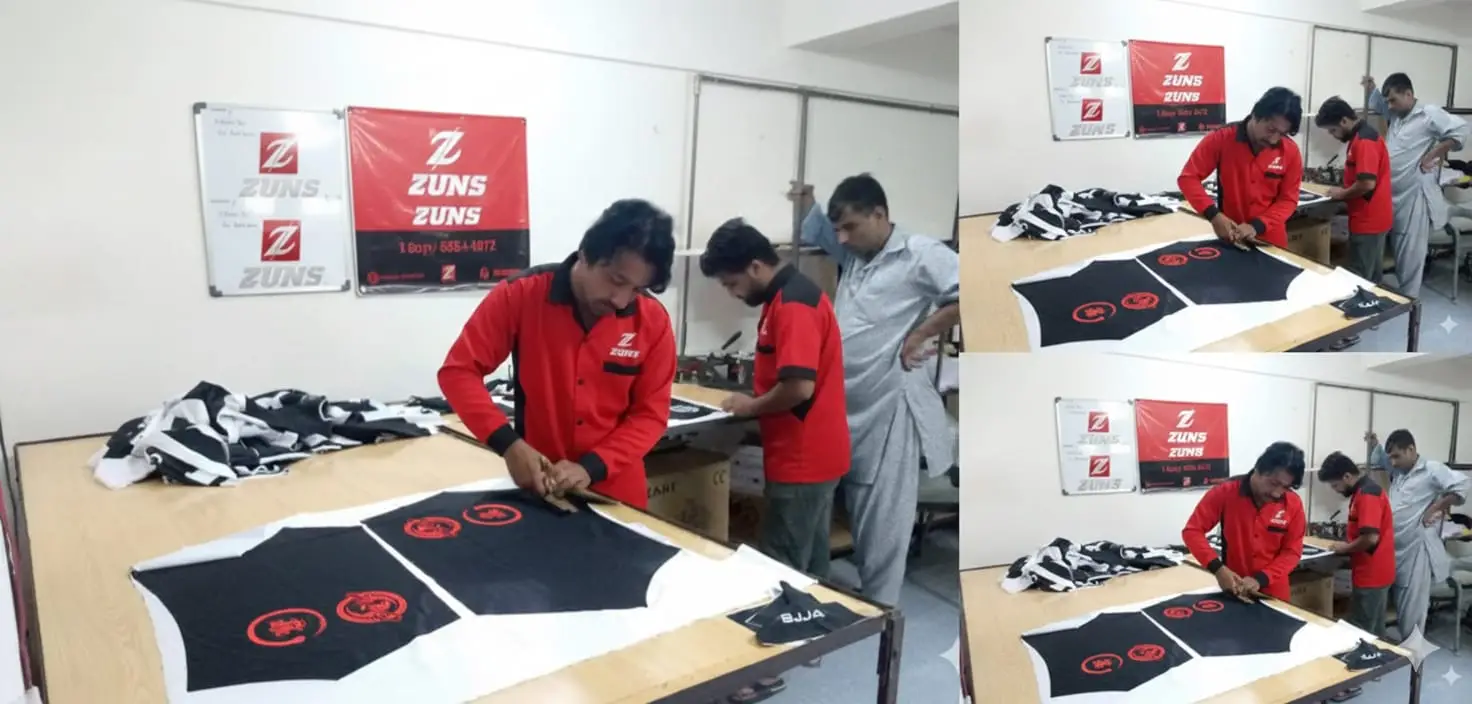
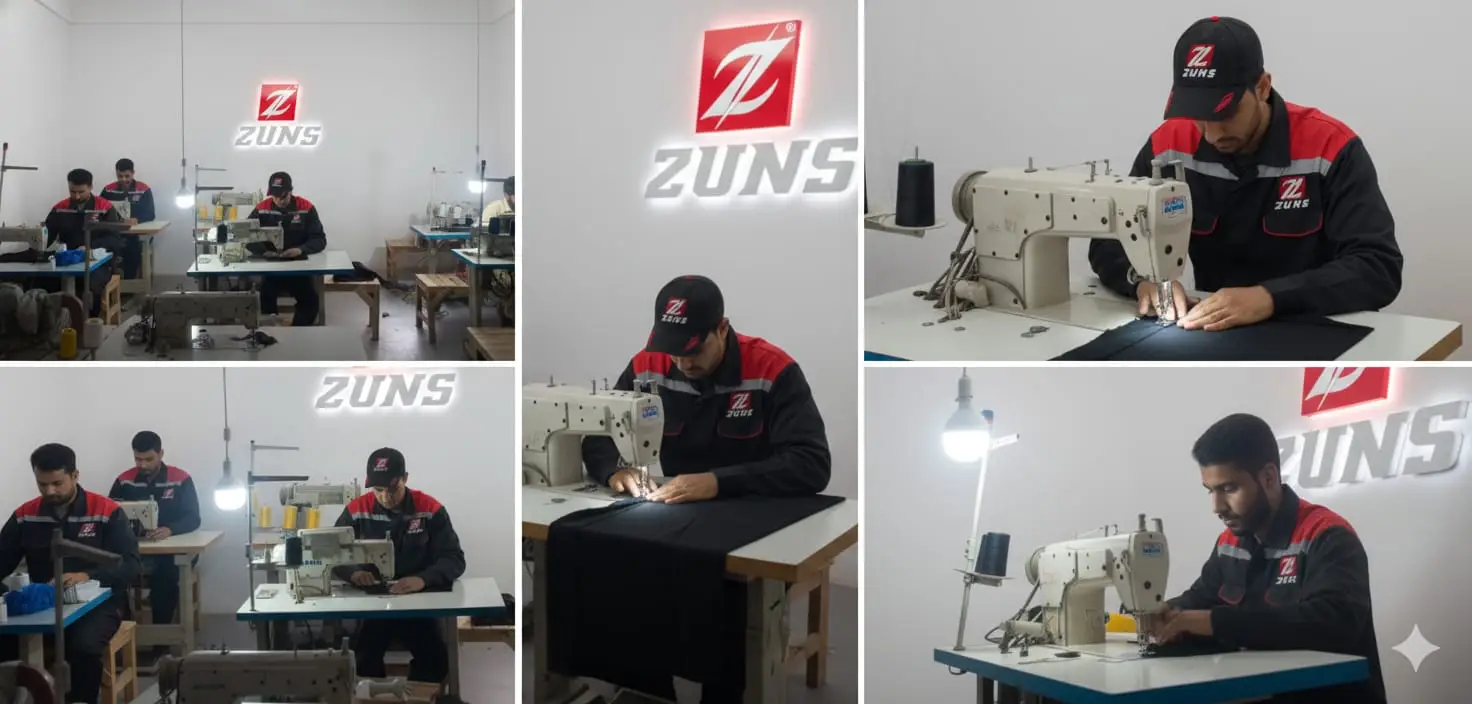
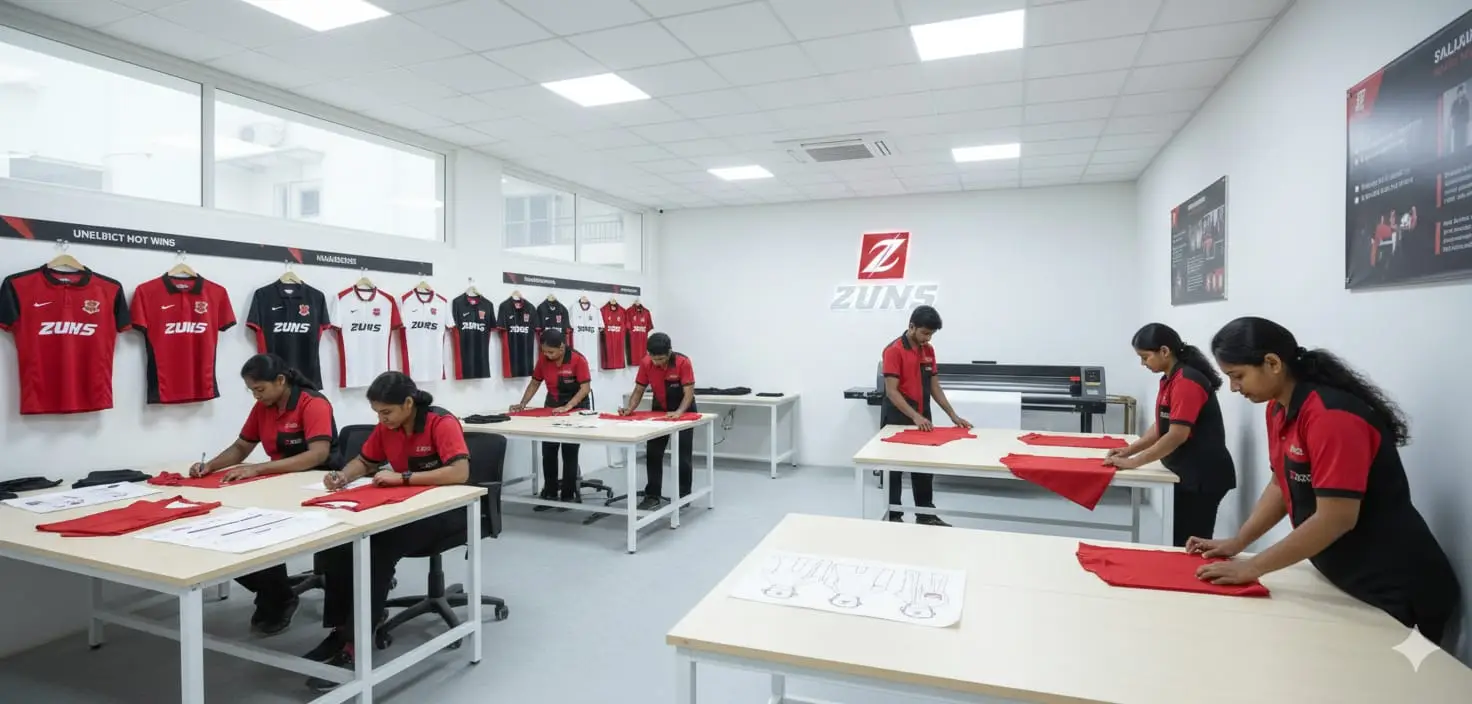
ZUNS Industries provides custom sportswear manufacturing, OEM & private label services, and global export support for brands worldwide.
Frequently Asked Questions (FAQ)
What is the best fabric for sportswear manufacturing?
Polyester blends with spandex are considered the best for performance sportswear due to durability, moisture control, and flexibility.
Is cotton good for sportswear?
Cotton is comfortable but not ideal for performance. Cotton-polyester blends are better for training and casual wear.
What fabric is best for sublimation printing?
Polyester is the best fabric for sublimation printing because it allows vibrant, long-lasting colors.
How do manufacturers choose fabric?
Manufacturers consider performance needs, printing methods, budget, climate, and target market before selecting fabric.
Final Thoughts
Fabric selection is the foundation of high-quality custom sportswear. Whether you are launching a private label brand, producing team uniforms, or sourcing OEM manufacturing, choosing the right fabric ensures performance, comfort, and brand credibility.
ZUNS Industries works closely with buyers to select the most suitable fabrics for every sportswear category—helping brands succeed in competitive global markets.