
Introduction:
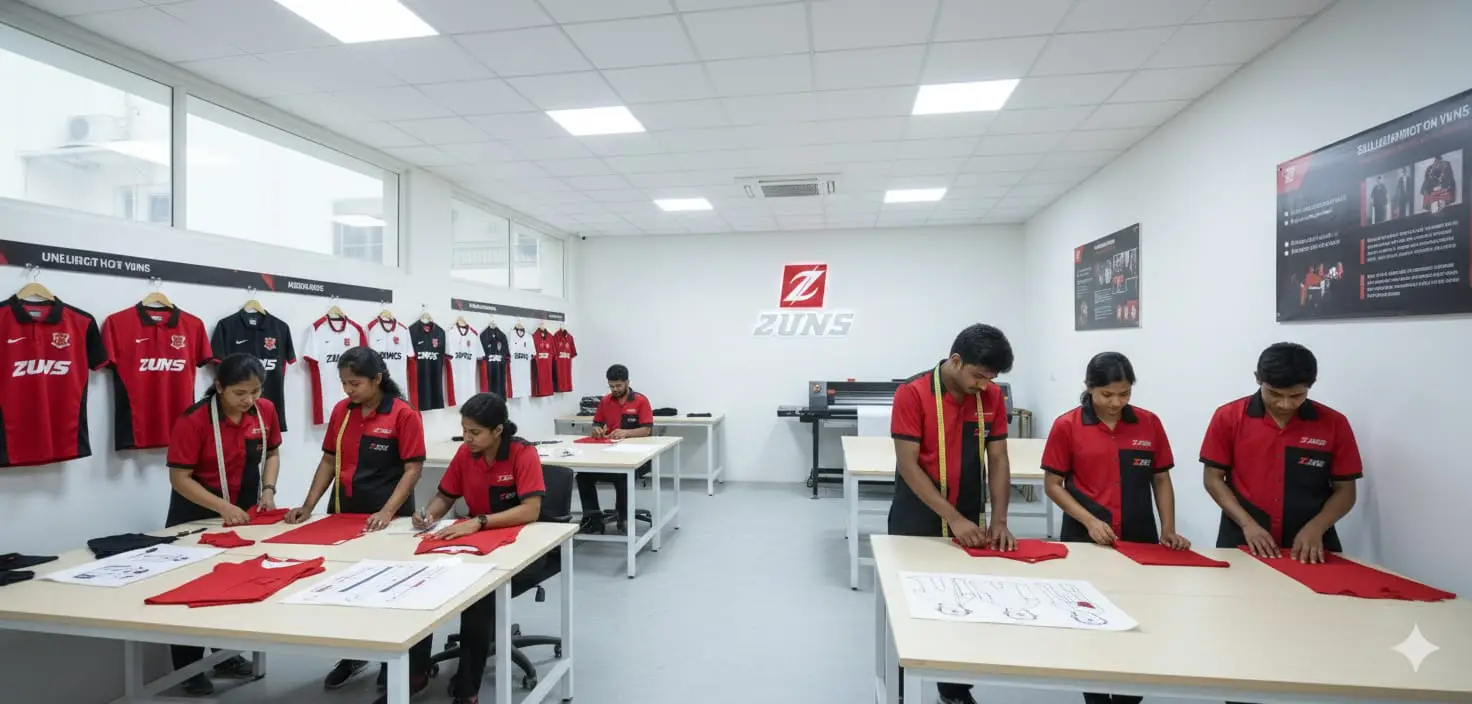
OEM sportswear manufacturing is a production model widely used by brands, clubs, academies, and resellers who want to develop custom apparel without owning a factory. Understanding how OEM manufacturing works is essential for buyers who want consistent quality, controlled branding, scalable production, and reliable delivery.
This guide explains OEM sportswear manufacturing in simple, practical terms. It covers how the process works, what buyers should prepare, advantages, common mistakes, and how to choose the right OEM manufacturer for custom teamwear, fightwear, training wear, and apparel collections.
What Is OEM Sportswear Manufacturing?
OEM stands for Original Equipment Manufacturer. In sportswear manufacturing, OEM means that a factory produces garments according to the buyer’s specifications, while the buyer owns the brand, design, and final product identity.
In OEM sportswear manufacturing:
– The buyer provides the design, branding, and specifications
– The factory handles production, including fabric sourcing, cutting, stitching, printing, finishing, and packing
– The final product is delivered under the buyer’s brand name
OEM manufacturing is commonly used by:
– Sportswear brands
– Clubs and academies
– Private label businesses
– Distributors and resellers
OEM vs Private Label Sportswear Manufacturing
Understanding the difference between OEM and private label is important before placing an order.
OEM Manufacturing
– Custom designs created by the buyer
– Full control over fabric, fit, printing, and branding
– Ideal for brands that want unique products
– Requires clear specifications
Private Label Manufacturing
– Factory provides base designs or patterns
– Buyer adds branding (logo, label, packaging)
– Faster development time
– Less customization compared to OEM
Many factories, including professional apparel manufacturers, offer both OEM and private label options depending on buyer needs.
👉 View More Detils:https://zunsindustries.com/oem-private-label-manufacturing/
How OEM Sportswear Manufacturing Works (Step by Step)
1- Product Concept & Design

The buyer defines:
– Product type (jersey, shorts, tracksuit, hoodie, etc.)
– Target use (match wear, training, lifestyle)
– Design files (AI, PDF, or mockups)
– Branding elements (logos, labels, tags)
Clear designs reduce sampling errors and production delays.
2- Fabric Selection
Fabric selection is critical in sportswear manufacturing.
Buyers choose based on:
– Performance requirements
– Breathability and stretch
– GSM (fabric weight)
– Durability and wash performance
Common fabrics include:
– Polyester interlock
– Mesh fabrics
– Cotton blends
– Performance polyester with moisture-wicking
👉 View Fabric Options: https://zunsindustries.com/fabric-options/
3- Sampling & Prototyping

Before bulk production:
– A physical sample is produced
– Fit, fabric, stitching, and printing are tested
– Revisions are made if required
Sampling ensures expectations match the final production.
4- Bulk Production
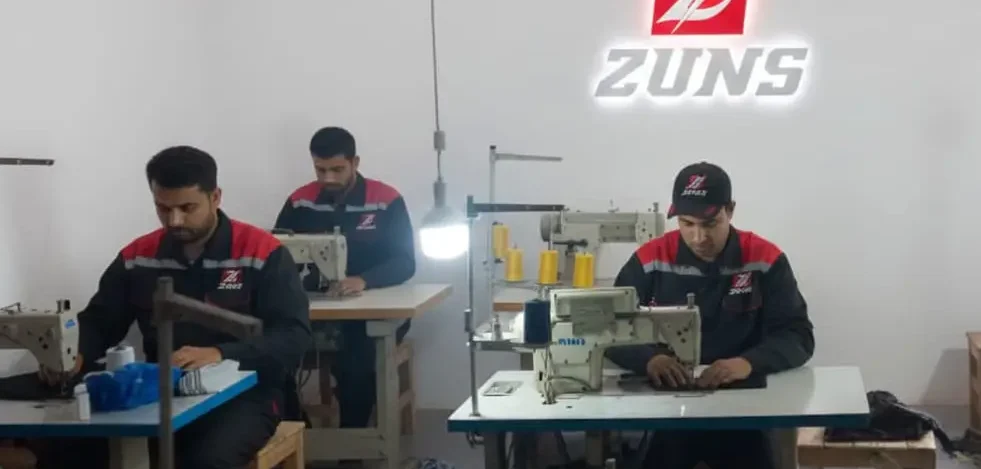
Once the sample is approved:
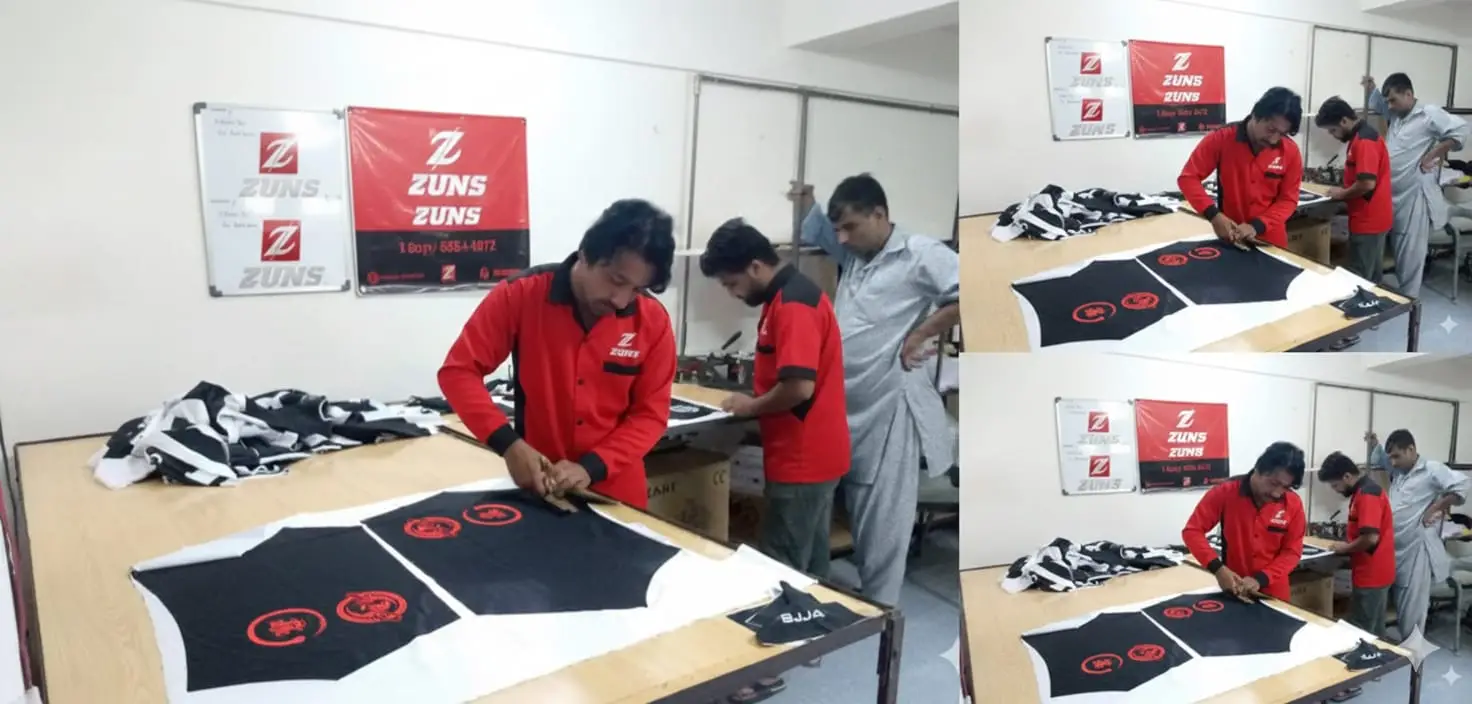
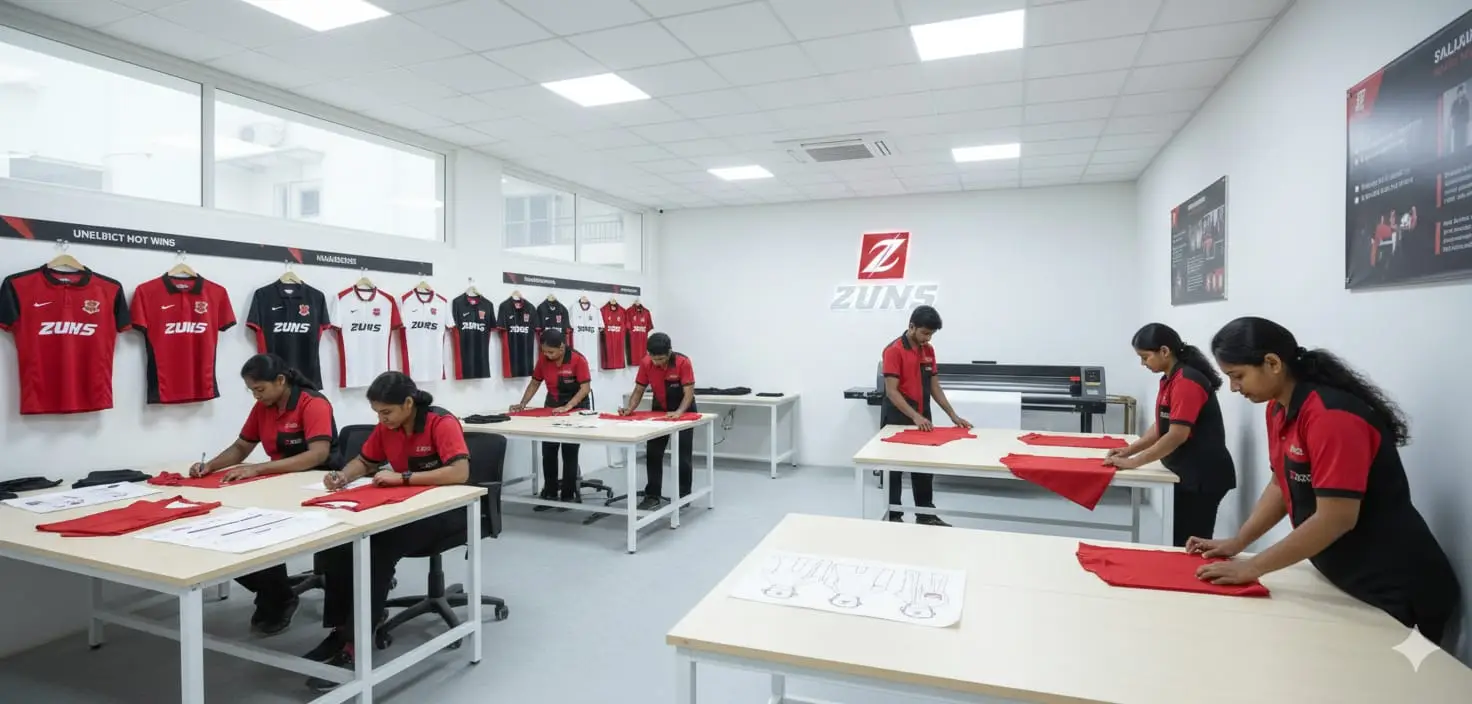
– Fabric cutting begins
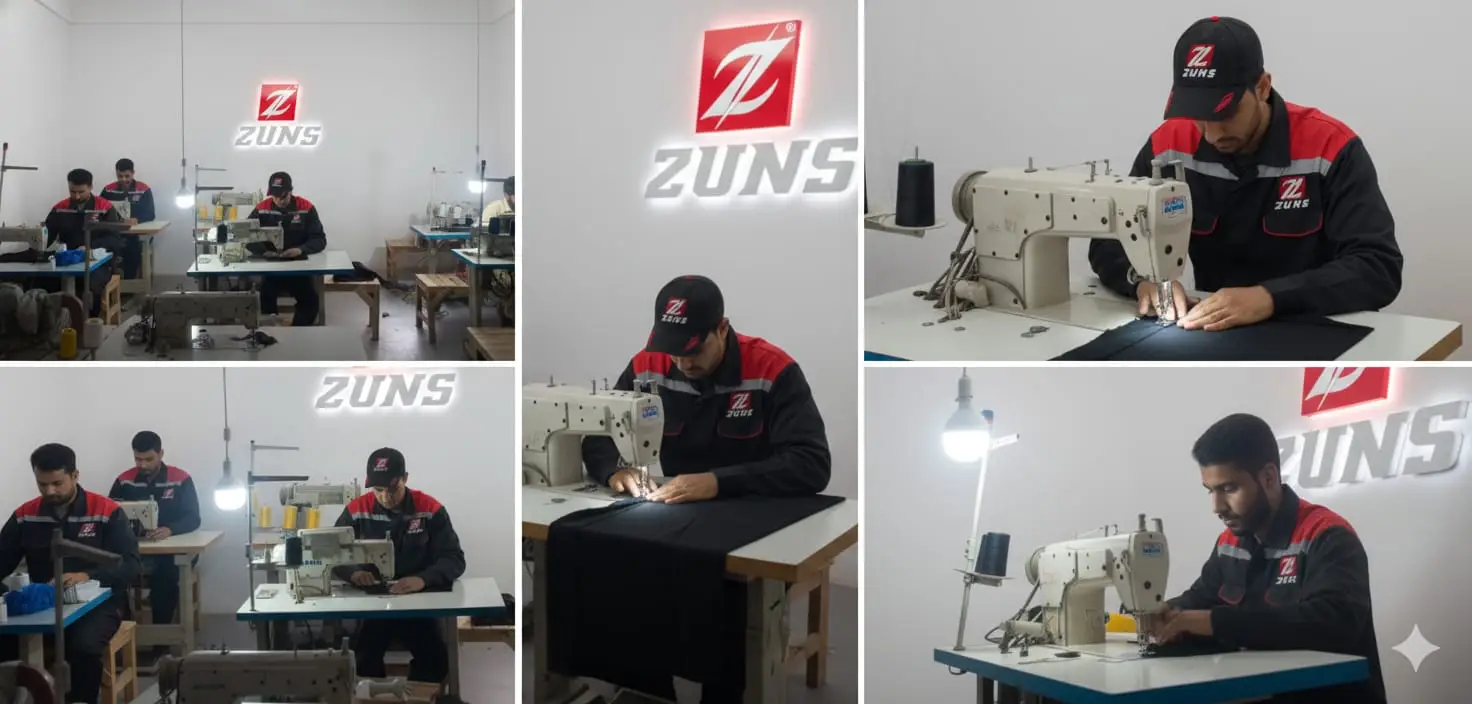
– Stitching and assembly follow
– Printing or embroidery is applied
– Labels and trims are added
Professional factories use quality checkpoints during production.
👉 Read More About Manufacturing Process:https://zunsindustries.com/our-manufacturing-process-zuns-inductries/
5- Quality Control
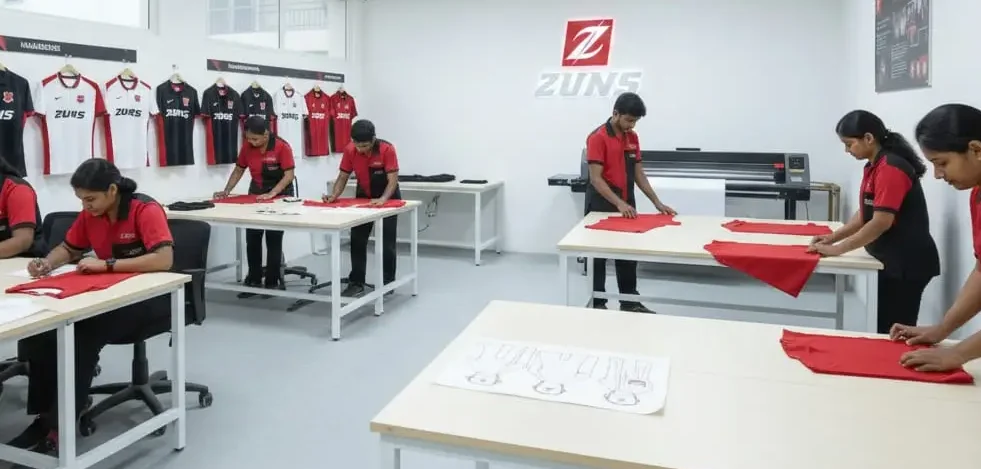
Quality control includes:
– Fabric inspection
– In-line production checks
– Measurement verification
– Printing durability tests
– Final inspection before packing
This step ensures consistency across all sizes and quantities.
👉 Read More About Quality & Compliance:https://zunsindustries.com/quality-compliance/
6- Packing & Export
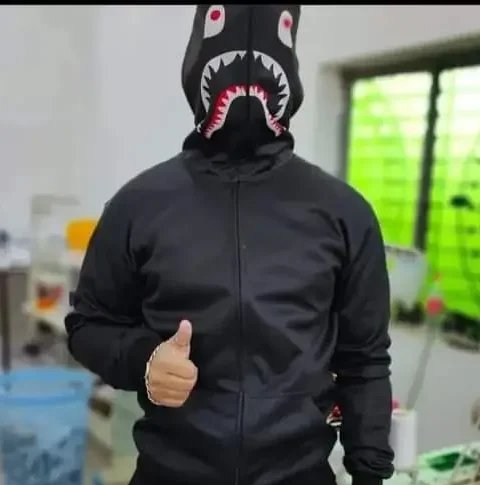
Final products are:
– Folded and packed as per buyer instructions
– Labeled with size and carton details
– Prepared for international shipment
Export-ready packaging is essential for global buyers.
Key Benefits of OEM Sportswear Manufacturing
Full Brand Control
OEM manufacturing allows buyers to control:
– Product design
– Fabric quality
– Fit standards
– Branding placement
Scalability
OEM production supports:
– Small test orders
– Medium-scale launches
– Large bulk production as brands grow
Cost Efficiency
Bulk manufacturing reduces:
– Per-unit cost
– Material wastage
– Repeated setup expenses
Professional Quality Standards
Established OEM manufacturers follow:
– Standardized production systems
– Consistent size grading
– Repeatable quality processes
Minimum Order Quantity (MOQ) in OEM Manufacturing
MOQ varies by:
– Product type
– Fabric complexity
– Printing method
– Number of sizes
Typical OEM MOQs:
– Simple items: lower MOQ
– Fully customized items: higher MOQ
Understanding MOQ early helps buyers plan budgets and timelines effectively.
👉 Read More About Export & MOQ:https://zunsindustries.com/export-and-moq/
Common Mistakes Buyers Make in OEM Manufacturing
Incomplete Specifications
Unclear designs or missing details lead to:
– Incorrect samples
– Delays
– Extra costs
Ignoring Fabric Testing
Not testing fabric can result in:
– Poor performance
– Shrinkage issues
– Color fading
Choosing Price Over Quality
The cheapest supplier often leads to:
– Inconsistent sizing
– Weak stitching
– Rejected shipments
Skipping Sampling Stage
Skipping samples increases production risk significantly.
What Information Buyers Should Prepare Before Contacting a Factory
To speed up OEM production, buyers should prepare:
– Product type and quantity
– Size breakdown
– Fabric preferences
– Printing method
– Target delivery timeline
– Shipping destination
Well-prepared RFQs receive faster and more accurate quotes.
How to Choose the Right OEM Sportswear Manufacturer
When evaluating an OEM manufacturer, buyers should check:
– Manufacturing experience
– Product specialization
– Quality control systems
– MOQ flexibility
– Export capability
– Communication responsiveness
A reliable OEM partner acts as a long-term manufacturing extension of your brand.
OEM Sportswear Manufacturing for Teams & Clubs
For teams and clubs, OEM manufacturing offers:
Consistent colors and sizing
Long-term repeat orders
Player-specific customization
Sponsor logo accuracy
This ensures uniformity across seasons.
OEM Manufacturing for Resellers & Distributors
Resellers benefit from:
– Factory-direct pricing
– Custom branding
– Scalable supply
– Reliable replenishment
OEM manufacturing supports wholesale growth strategies.
Why OEM Manufacturing Is the Preferred Model for Growing Brands
OEM sportswear manufacturing provides the balance between:
– Customization
– Cost control
– Scalability
– Brand ownership
It is the preferred model for brands aiming for long-term growth rather than short-term sourcing.
Final Thoughts
OEM sportswear manufacturing is not just about production—it is about building a reliable supply chain for your brand. Understanding the process, preparing accurate specifications, and working with an experienced manufacturer helps ensure quality, consistency, and timely delivery.
For brands, clubs, and resellers planning bulk apparel production, OEM manufacturing remains the most effective and scalable solution.
Looking for a reliable OEM sportswear manufacturer?
ZUNS Industries provides custom OEM and private label manufacturing solutions for sportswear, teamwear, fightwear, and apparel with export-ready production.
👉 Request a Quote to discuss your requirementshttps://zunsindustries.com/request-a-quote/